Authenticity is the word every Indian restaurant uses, which makes it nearly useless as a signal on its own. A more reliable approach is to read the menu the way you would read a map: look for specifics. Place names, techniques, and named ingredients tell you far more about a kitchen than a promise of tradition does. Below are the checks worth making before you book, with examples of how a regional menu answers them.
India is not one cuisine but many, each shaped by land, climate and culture. That is the opening premise of one fine dining menu in Tanjong Pagar, and it is a useful starting point for any diner. A restaurant that serves “Indian food” as a single style has had to flatten dozens of regional traditions into one, usually a creamy tomato gravy and a tandoor.
So authenticity rarely means “the same as home.” It more often means a kitchen is specific: it tells you which part of India a dish comes from and what makes it taste that way. A coconut-milk stew from Kerala and a slow-sealed mutton dish from Lucknow share almost nothing, and a menu that treats them as distinct is doing the honest work.
| What to check | A generic “Indian” menu often | A regional menu usually |
| How dishes are grouped | By course: starters, curries, breads | By region of origin |
| What descriptions name | A sauce and a protein | A technique, an ingredient, and a place |
| Vegetarian options | A short separate list | Marked across every section |
Ingredients can be copied; technique is harder to fake. The Manor’s 2026 menu describes dum pukht as the slow-sealing technique at the heart of Awadhi cooking, where ingredients steam gently in their own aromas in a heavy pot.
It describes Chettinad cooking as built on black pepper, fennel, star anise and kalpasi, the stone flower, roasted into masalas. And it calls fermentation sacred in the South, naming dosa, idli, appam and puttu.
The menu is also explicit that Awadhi cuisine is not about heat but about harmony, which corrects a common assumption that regional Indian food simply means spicier. When a menu is willing to say what a cuisine is not, it is usually describing something real.
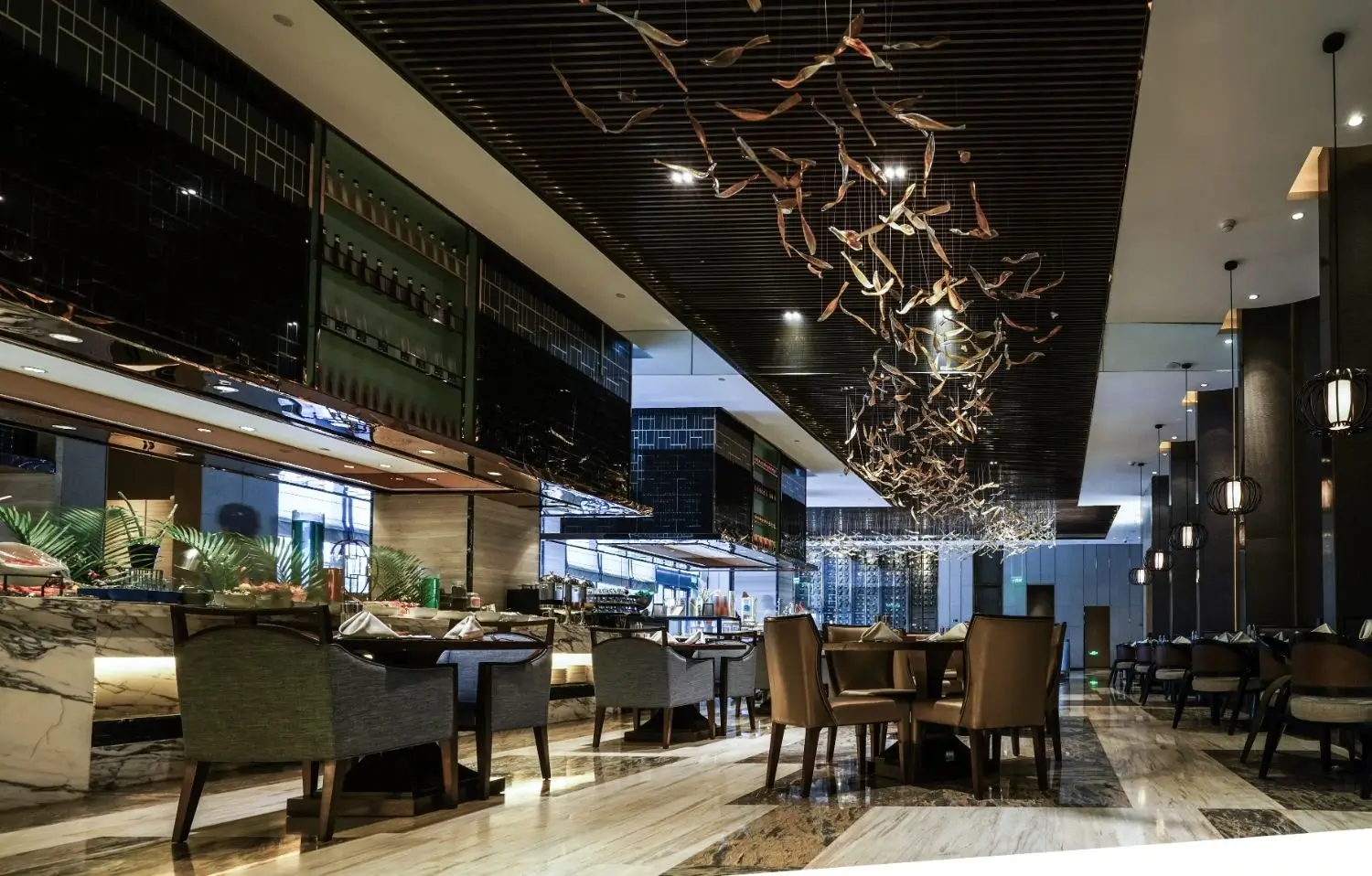
Fine dining adds a layer of interpretation, and the better menus are open about it. At The Manor, classics sit next to deliberate reinterpretations: the Buttered Legacy with Burrata Crown, at $36, is a classic butter chicken finished with burrata, and the Paneer à la Burrata Royale, also $36, is a paneer curry crowned with burrata and saffron essence. The North-East Indian cuisine section leans Himalayan and pan-Asian, with dumplings, thukpa and baos.
None of that makes the menu less regional. It means a diner should read each description and decide what they are after. If you want a dish as it is cooked at a family table, choose the one described that way. If you want a chef’s take, the reinterpretations are where to look. Either way, the menu lists a suggested wine and cocktail beside every dish, so the pairing question is already answered.
Not every visit needs to be a full dinner. A few formats cover different appetites and budgets:
One practical note from the menu: it states that only chargeable Purezza or bottled still or sparkling water is served, so factor that into the bill.
A few things are not stated on every menu, and a quick question saves a disappointing evening:
A first visit works well when the format fits the reason for going. For a casual lunch, a weekday thali keeps things simple. For a celebration, a tasting menu paces the evening, and a private suite adds its own space.
For a group that wants to explore, the regional layout lets everyone pick a different corner of India. The Manor is built around that idea, and it is a reason to choose a restaurant by its menu structure and not by its description.
There is no single standard, but useful signs include a menu grouped by region, named techniques such as dum pukht, specific regional ingredients, and honesty about which dishes are classic and which are modern interpretations.
No. Heat varies by region and dish. One fine dining menu notes that Awadhi cuisine is about harmony and not heat, while Chettinad and Andhra-style dishes are described as fiery.
Yes, the menu offers plenty of vegetarian options to choose from. The restaurant also features a vegetarian tasting menu, including a seven-course option priced at $138 per person on one of its Tanjong Pagar menus. Jain meals can also be accommodated with advance notice.
Not usually. Prices on the 2026 menu mentioned here are listed before service charge and government taxes, so budget above the headline figure.
Awards are one input. A design award recognises the space and not the food, so read the menu itself for evidence of the cooking.